
15 Foods With More Vitamin C Than an Orange
Vitamin C gets linked with oranges so often that it is easy to forget how many other foods bring even more to the table. Some are fruits, some are vegetables, and a few may already be in your kitchen. This list rounds up foods that can give you a bigger vitamin C hit than an orange.src="https://www.highperformanceformat.com/3b51ba21373258177cb46ba1559a6a78/invoke.js">
Guava
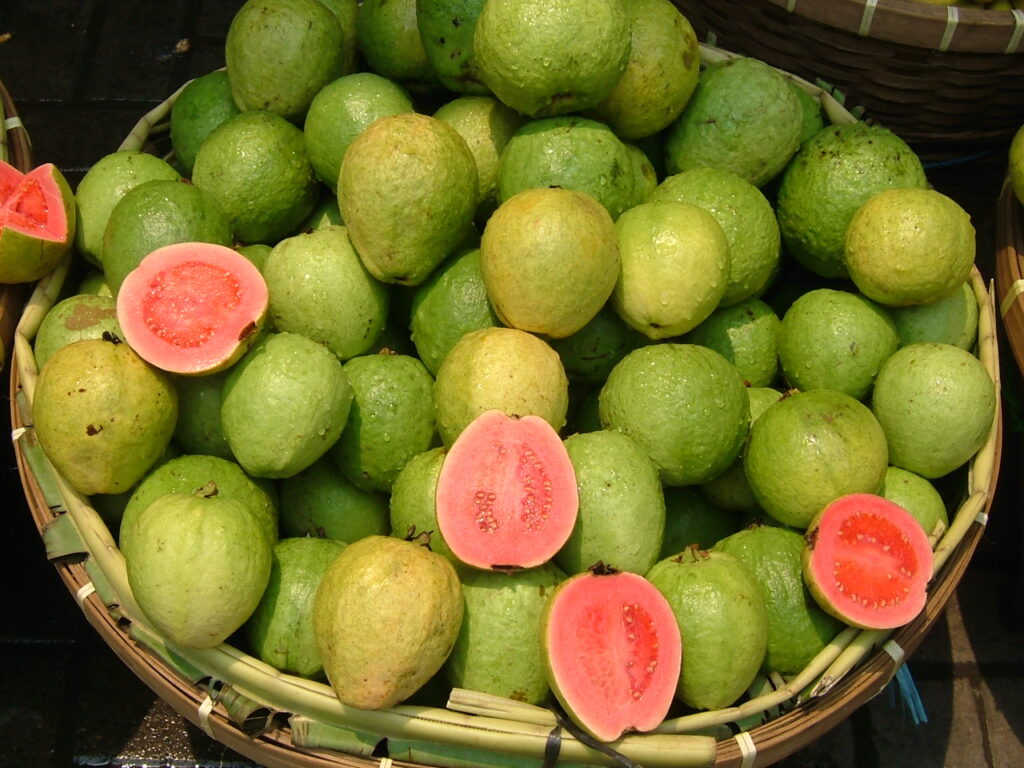
Guava is one of those fruits that surprises people once they look up the vitamin C content. It packs a lot into a small serving, and the flavor lands somewhere between pear, strawberry, and a little tropical tang. The flesh can be soft or slightly grainy depending on the kind, which makes it feel more filling than many other fruits. If you want something easy to slice and eat without much prep, guava is a strong pick.
Some people eat it raw with the seeds, while others scoop out the inside and add it to smoothies or fruit bowls. It works well with lime, chili salt, or plain yogurt if you want something simple that still tastes fresh. Because it is small and easy to portion, it fits well into breakfast or an afternoon snack. It is a smart fruit to keep around when you want variety beyond the usual apples and bananas.
Red Bell Pepper
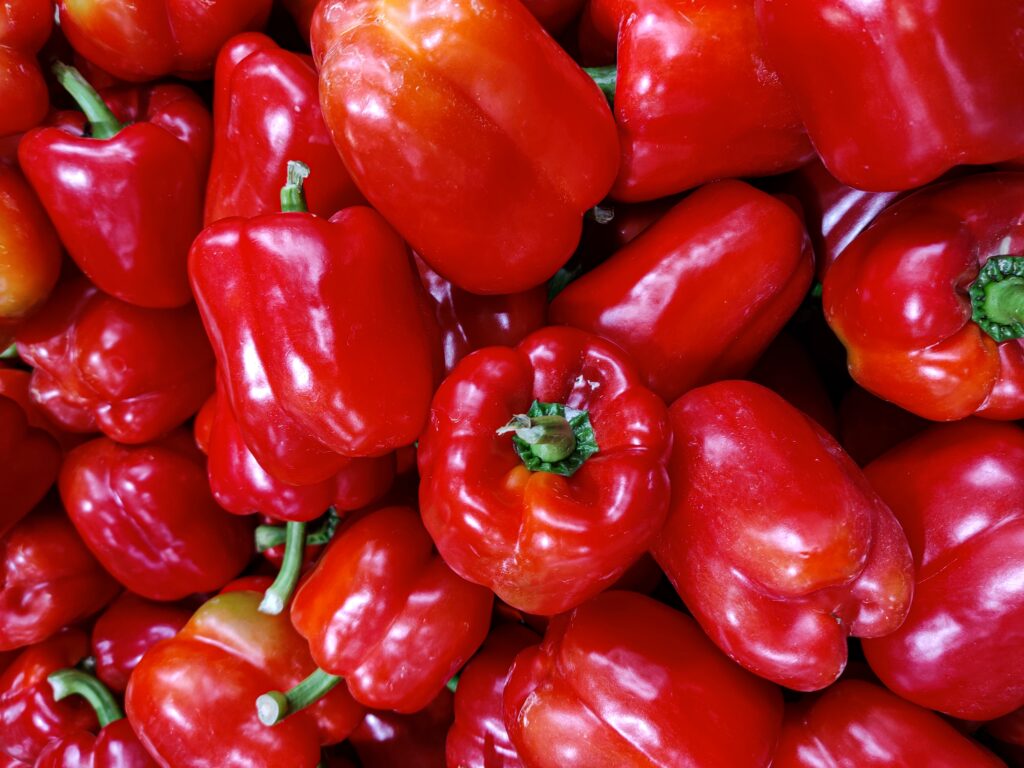
You can slice it into strips for dipping, chop it into salads, or cook it with onions for tacos and rice bowls. Roasting brings out even more sweetness, and that softer texture can be easier for kids who do not like crunchy vegetables. It also fits into pasta, omelets, sandwiches, and sheet pan meals without much planning. For a food that feels ordinary at the store, it gives you a lot back.
Yellow Bell Pepper
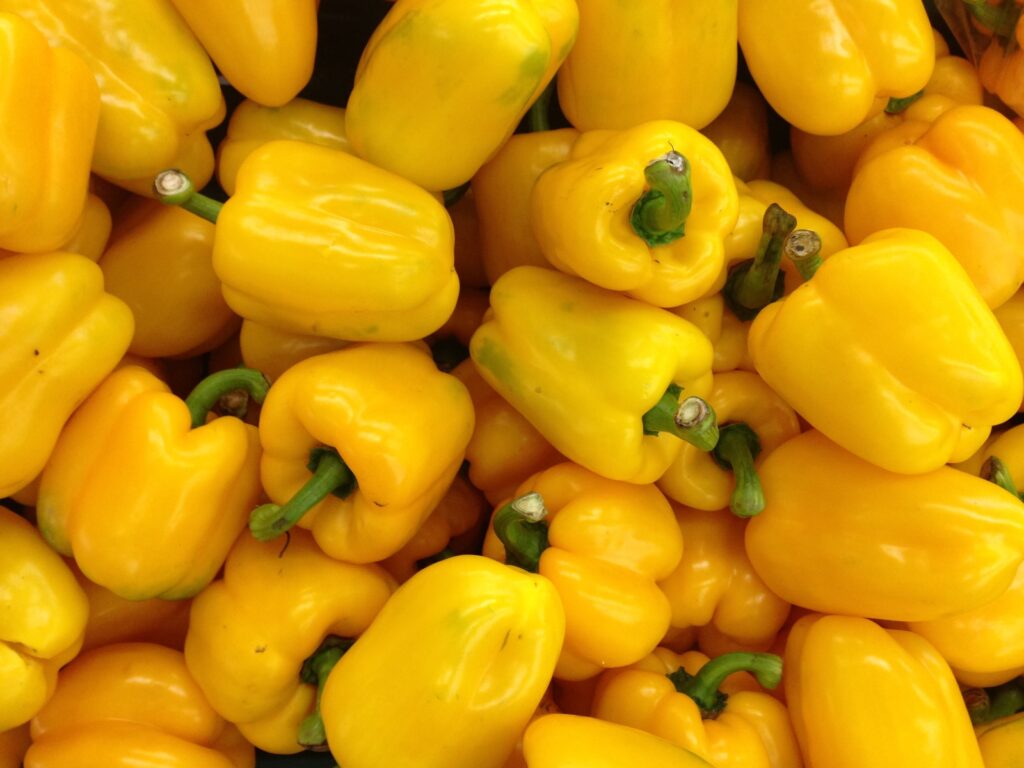
It is good raw with hummus, but it also holds up nicely in stir fries, fajitas, and pasta salads. If you dice it small, it blends into egg dishes and grain bowls without taking over the whole meal. Some people like stuffing it and baking it, while others keep it simple and snack on slices straight from the cutting board. Either way, it is an easy food to use often without getting tired of it.
Kiwi
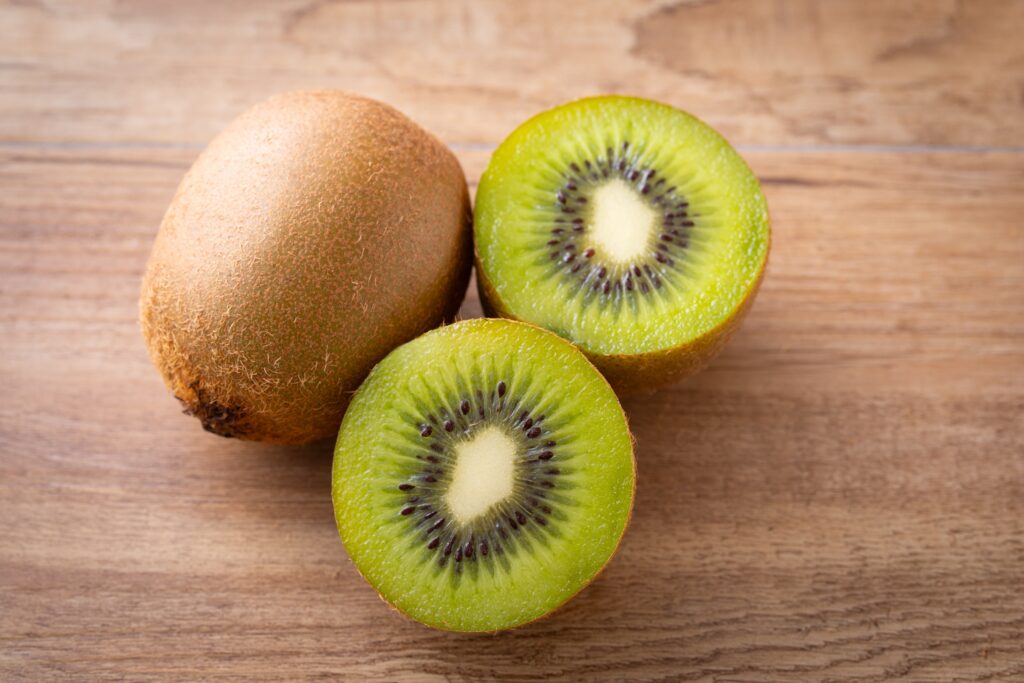
You can cut it in half and scoop it out with a spoon, which makes it one of the easiest fruits to eat with almost no mess. Sliced kiwi also looks great on yogurt, oatmeal, pancakes, or simple dessert plates. If the fuzzy skin puts you off, peeling it takes only a minute with a knife or peeler. It is a nice choice when you want something refreshing that still gives you real nutritional value.
Strawberries
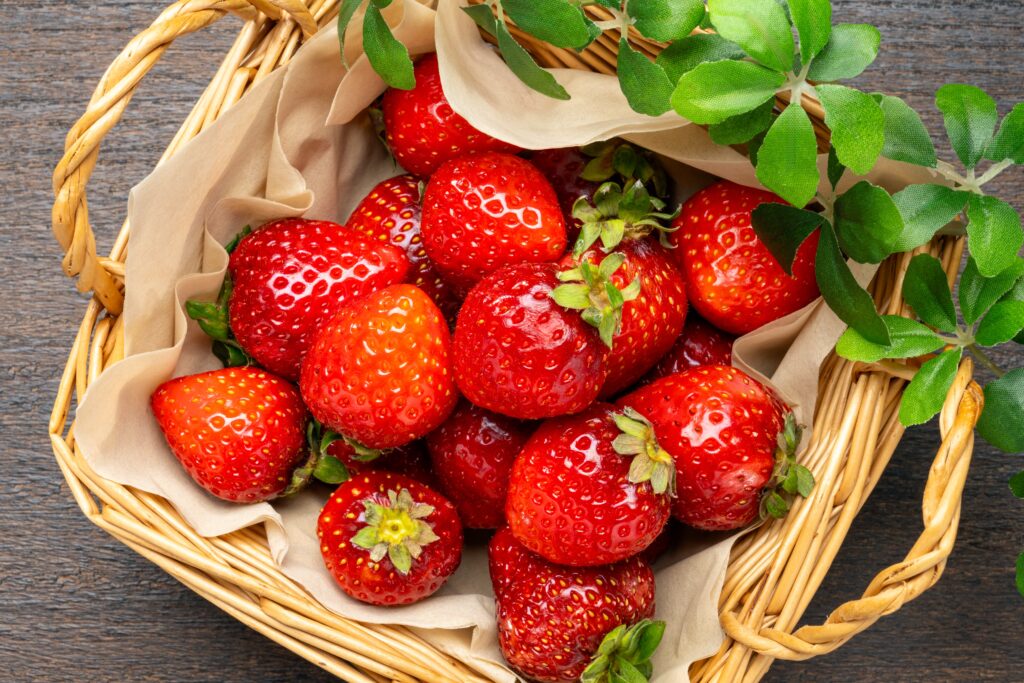
They are easy to wash and serve whole, sliced, or mashed into yogurt and oatmeal. You can use them in smoothies, layer them into toast with cream cheese, or just eat a bowl as is. When they are in season, they taste especially good with almost nothing added. For a fruit people already love, they quietly bring a lot more than just sweetness.
Papaya
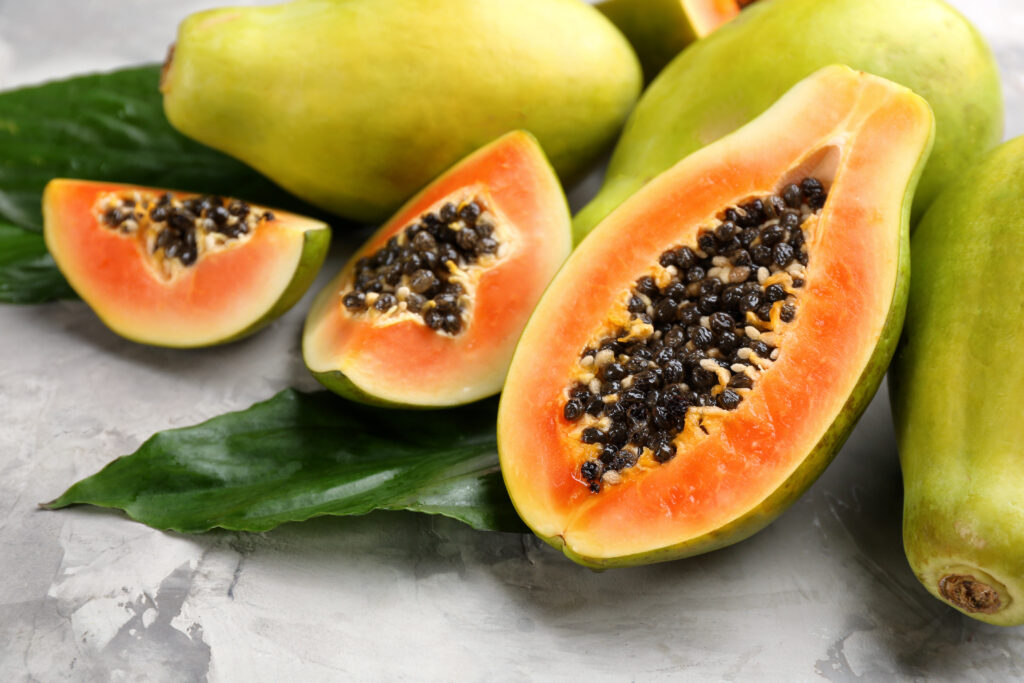
A squeeze of lime can wake up the flavor and keep it from tasting too flat. Many people eat it plain for breakfast, though it also blends well into smoothies and chilled fruit bowls. The black seeds get scooped out quickly, so prep is simple once you get used to cutting it. If you want a fruit that feels soft, fresh, and not too sugary, papaya is a good one to try.
Pineapple
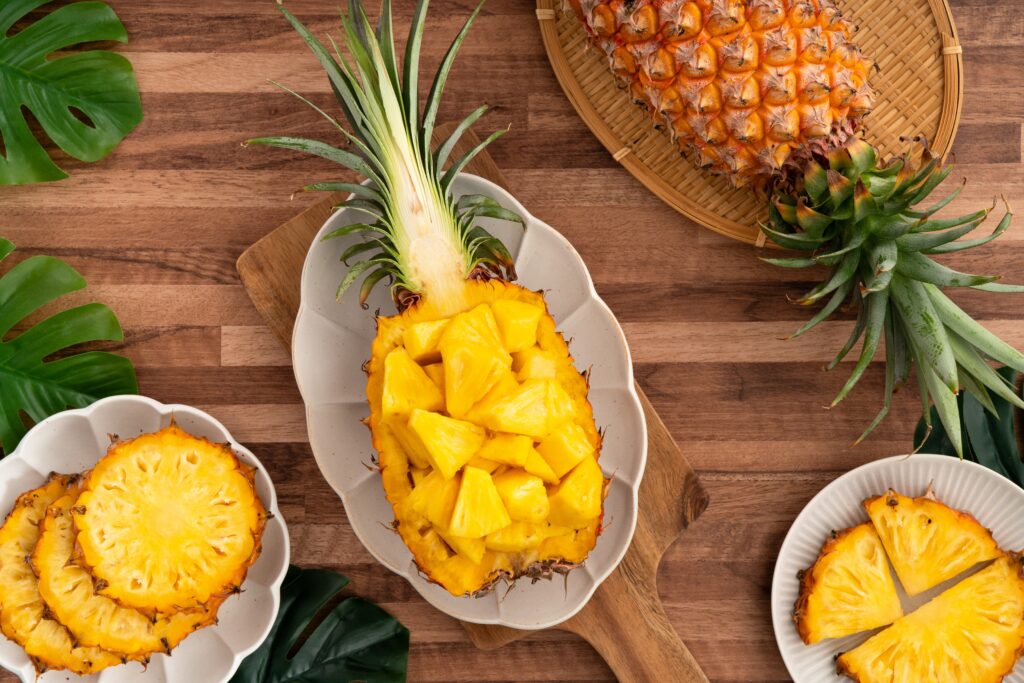
Fresh pineapple works well on its own, though it is also great in smoothies, salsas, and fruit salads. Some people grill it for a sweeter, warmer flavor, and others add it to rice bowls for contrast. Cutting a whole pineapple can take a little effort, but pre cut options make it much easier to use often. Once it is ready to eat, it rarely sits around for long.
Broccoli
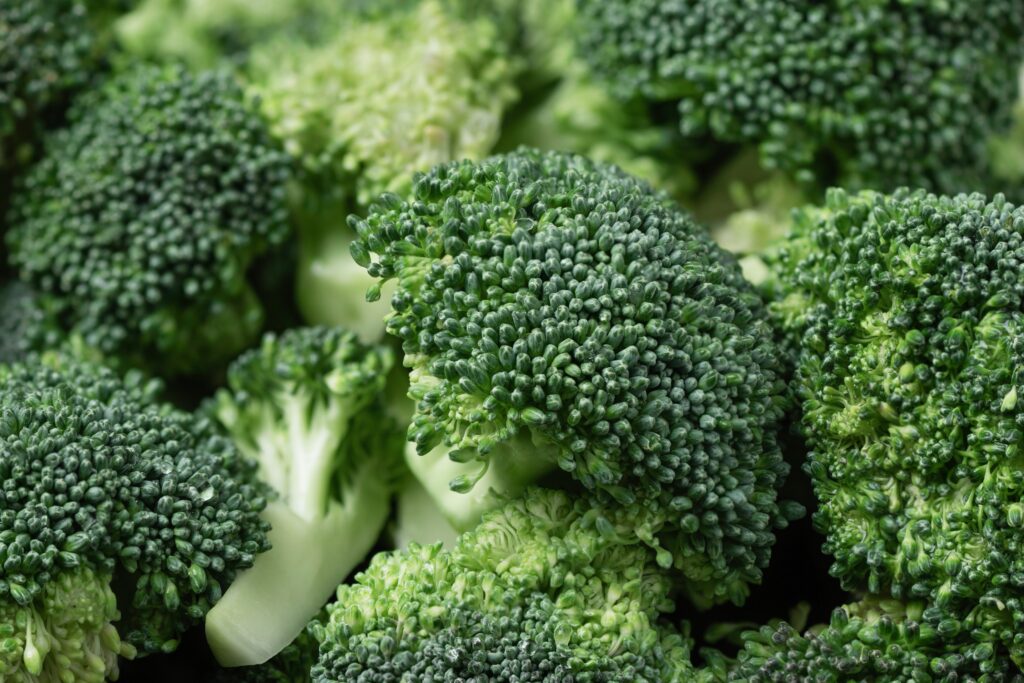
Steamed broccoli is simple, though roasting usually gives it a better flavor and a little crispness around the edges. It also goes well in stir fries, pasta, soups, and cheesy casseroles if you want something more comforting. Chopped small, it can mix into fried rice or scrambled eggs without making the dish feel too vegetable heavy. For a basic grocery store staple, it does a lot of heavy lifting.
Brussels Sprouts
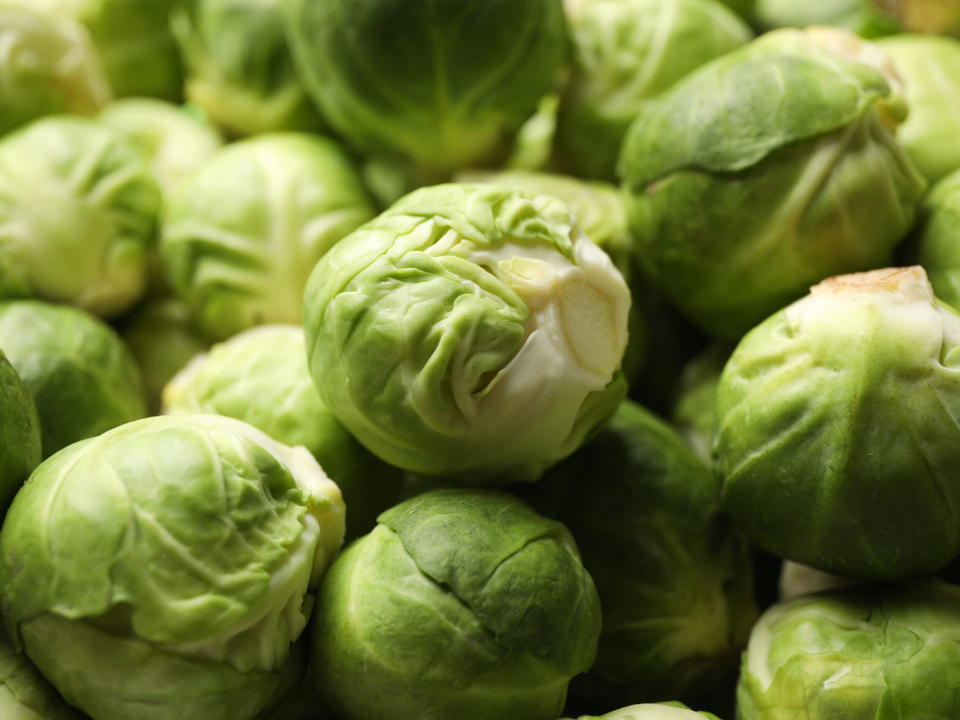
Halved and roasted with oil and salt, they turn crisp on the outside and soft in the middle. You can also shred them raw for salads if you like something with more bite. Bacon, lemon, parmesan, or honey mustard all pair nicely with them without needing much effort. Once prepared the right way, they feel much more approachable than their reputation suggests.
Kale
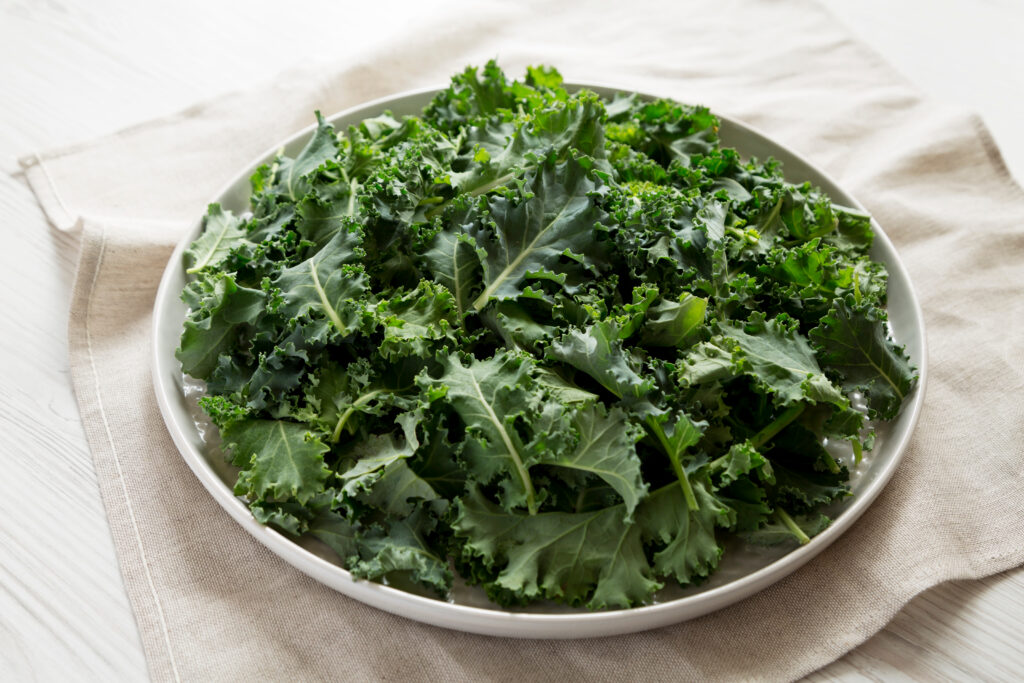
Massaging raw kale with a little oil or dressing softens it and makes it easier to eat. It can also be cooked into soups, pasta, bean dishes, or quick sautés with garlic. Blended into smoothies, it adds nutrition without taking over the flavor if you balance it with fruit. It may not be the first green everyone loves, but it gives you a lot in return.
Acerola Cherry
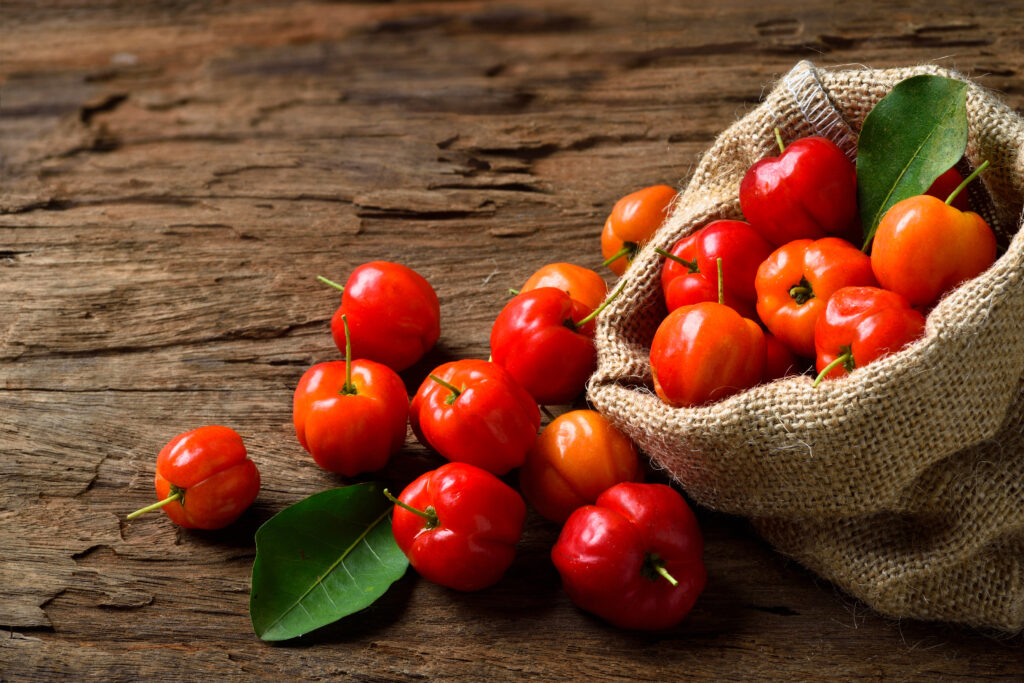
If you come across acerola in juice or smoothie blends, it is an easy way to try it without hunting down the fresh fruit. The flavor can be sharp, so it often works best mixed with sweeter fruits like mango or banana. In supplement style powders, it is often stirred into drinks or yogurt. It is not the most everyday option, but it is one of the standout sources.
Lychee
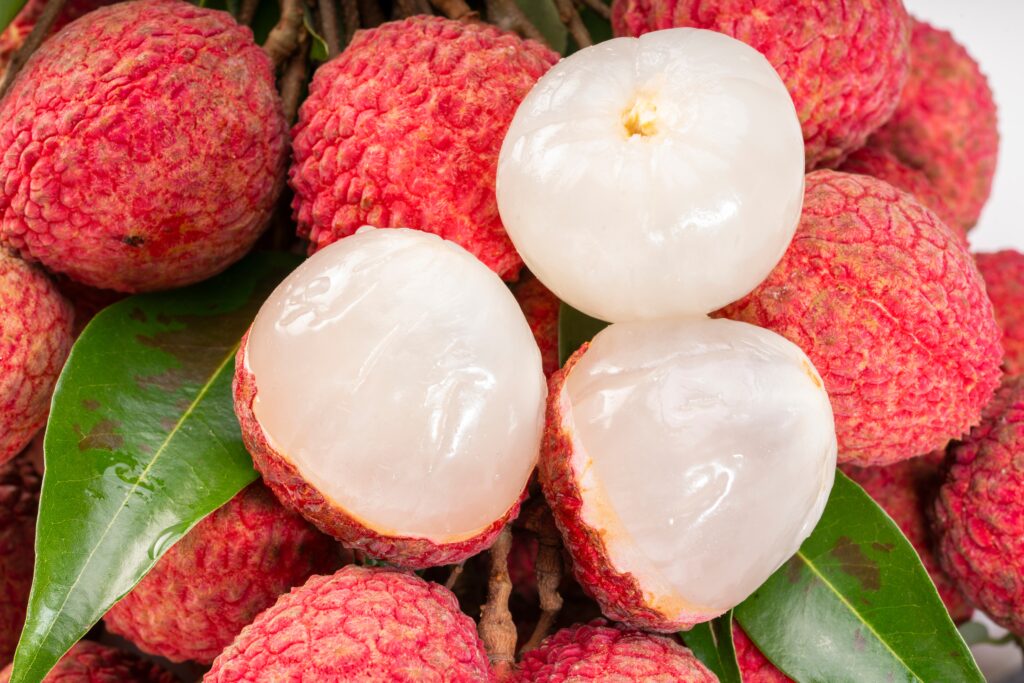
Peeling lychee takes a bit of effort, but the fruit inside feels special enough to make it worthwhile. It is nice in fruit bowls, cold drinks, or eaten one by one as a snack. Canned lychee is easier to find than fresh in some places, though the syrup makes it sweeter and heavier. Fresh or canned, it is a fun way to break out of the usual fruit routine.
Blackcurrants
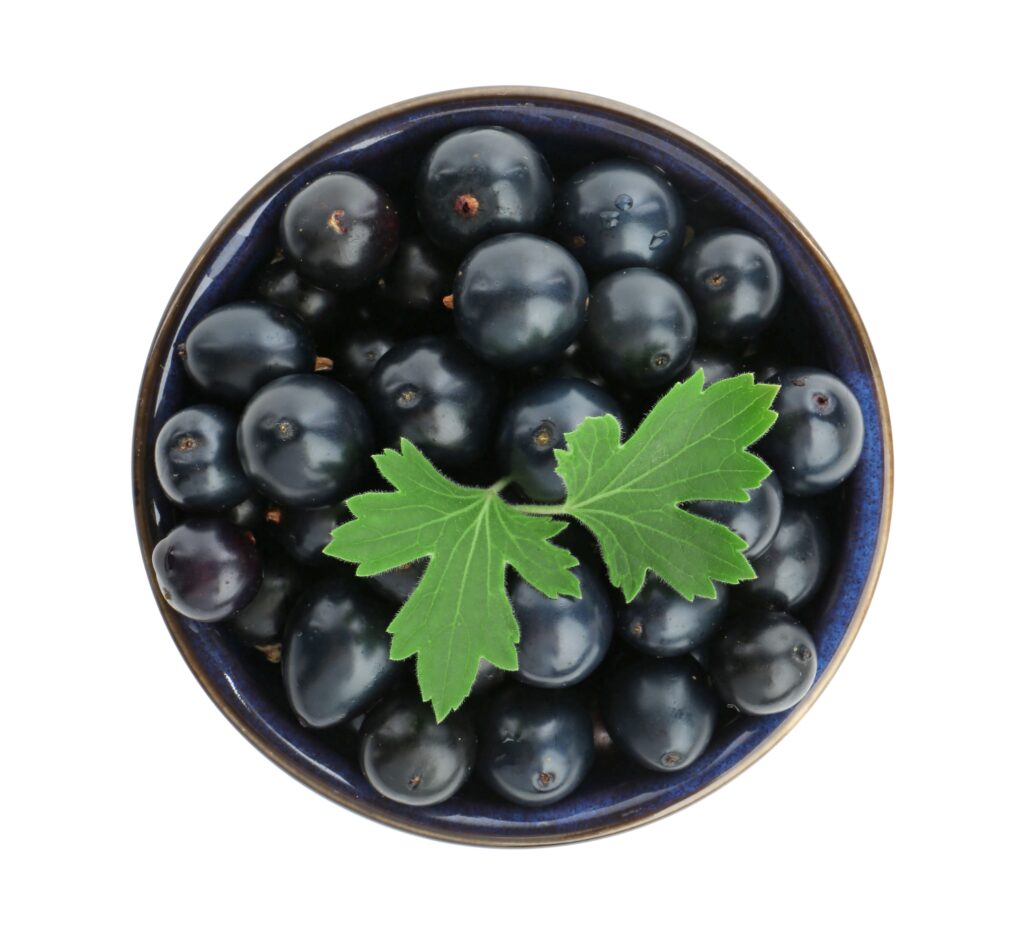
Fresh blackcurrants are not always easy to find, but juices, jams, and frozen versions are more common. They work well in smoothies, spooned over yogurt, or cooked into sauces for desserts. Because the flavor is rich, a small amount can still make an impression. They may not be the first berry people think of, but they bring a lot to the table.
Mustard Greens
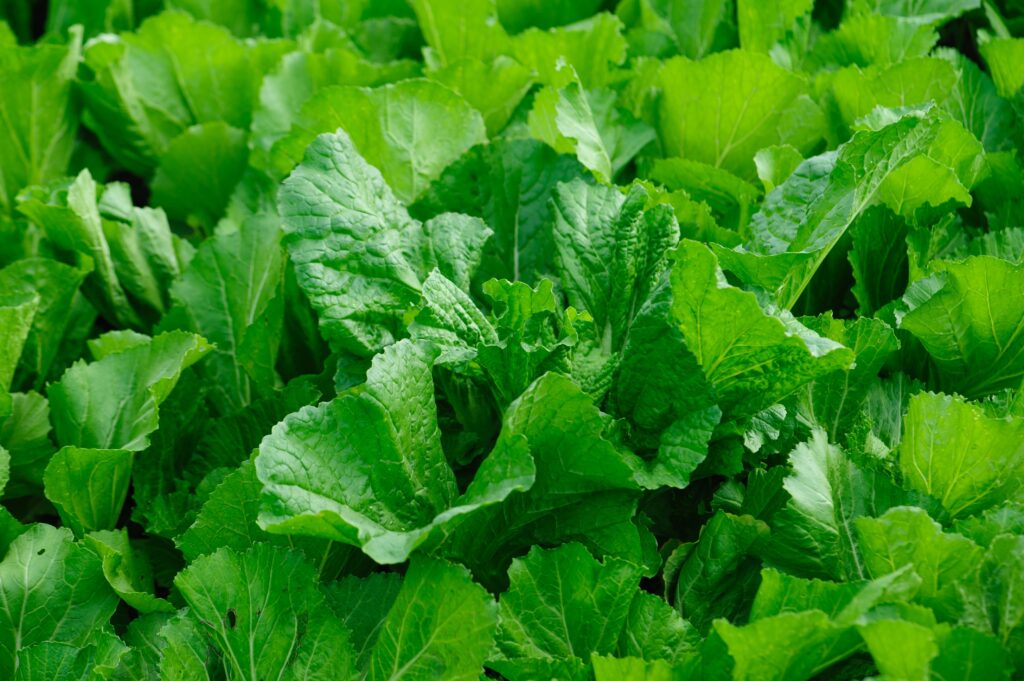
They are often sautéed with garlic, onion, or broth, which helps balance that natural bite. Mixed into soups, beans, or rice dishes, they add depth without needing many extra ingredients. A small pile cooks down quickly, so they are easier to use up than they first appear. If spinach feels too mild and kale feels too tough, mustard greens can be a good middle ground.
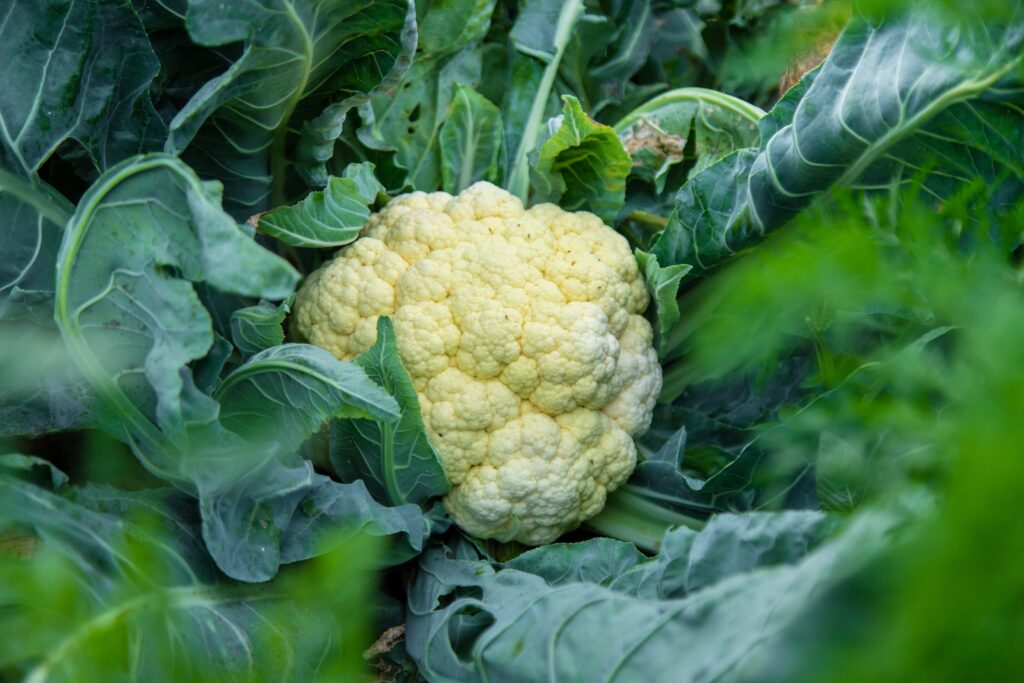
Cauliflower
0 Comments